Rail corridor recovery gives commuters a cheaper way to move
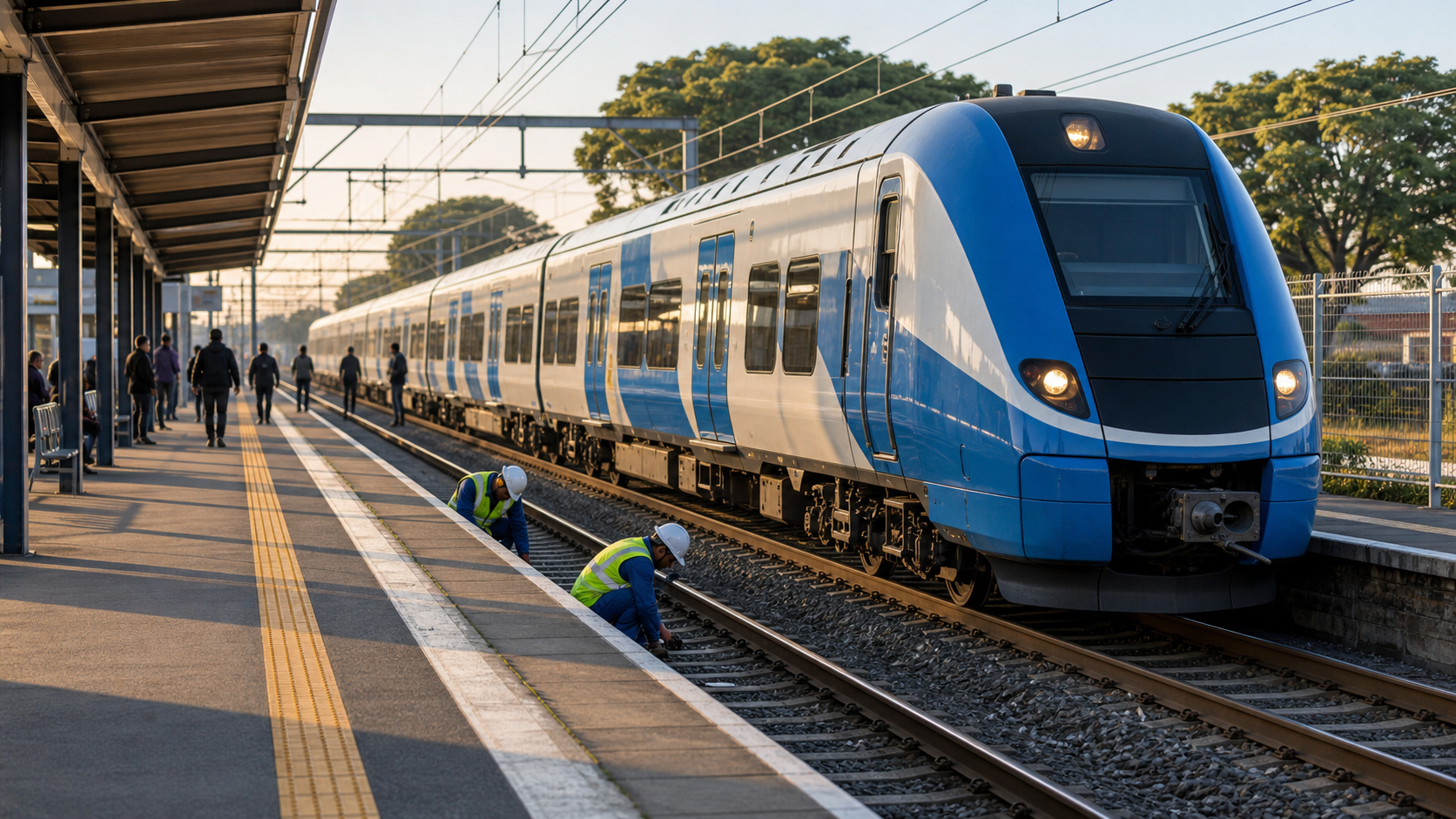
When a rail corridor comes back, the impact is felt in household budgets and daily routines. Commuters get a safer, cheaper and more predictable option, while cities gain relief from road congestion. This draft story is structured for a verified PRASA or transport-department update.
The final story should identify the exact corridor, stations reopened, repairs completed, security improvements, operating frequency and passenger numbers. It should also explain the human impact: what a restored train service means for a worker, student or small trader travelling every day.
Editorial note: do not publish corridor names, timelines or passenger figures until they are matched to a current official source.
Placeholder content. This story is a structural example — facts, figures and sources will be added and verified before publication.
More Infrastructure stories

Road upgrades reconnect communities and freight routes
Draft story: a road rehabilitation project restores safer travel, better freight movement and easier access to schools, clinics and local businesses. Project name, kilometres and contractor details must be verified before publication.
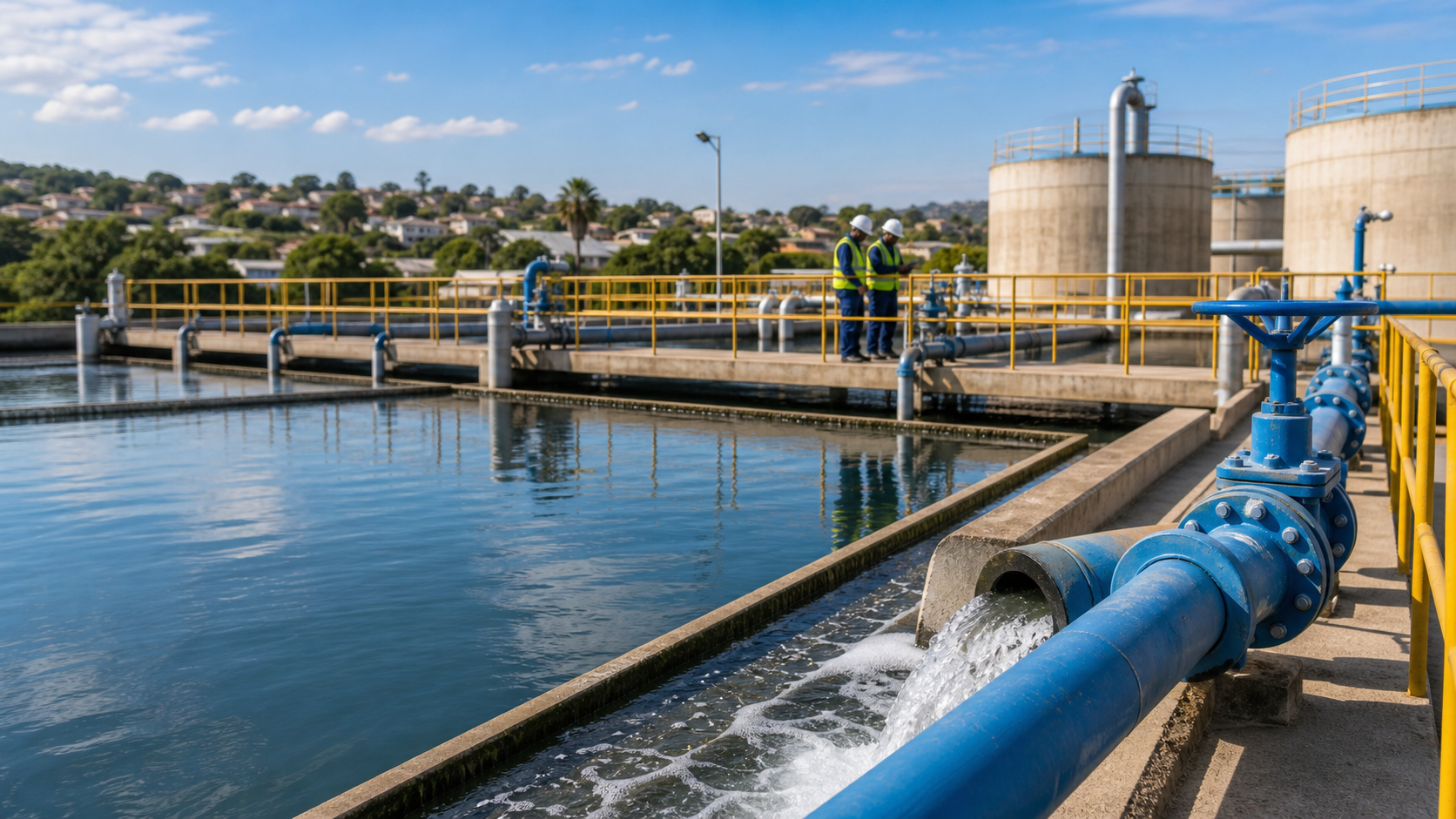
Water repairs bring reliability back to local households
Draft story: a water-services repair programme stabilises supply by fixing treatment works, pumps, reservoirs or reticulation. Household reach, daily volumes and project partners must be sourced before publication.